


Quick Facts
- Cost: Approx. 600 AED – 3,500+ AED. Variable prices based on the needling technique.
- Duration: 30 – 60 minutes for standard microneedling, including preparation and anesthesia.
- Procedure Types: Slightly invasive, mainly cosmetic, dermal regeneration treatments.
- Success Rates: 70 – 90% successful treatments with noticeable healing and tightening.
- Sessions: 3 – 6 standard sessions, with routine maintenance. Varies with type of microneedling.
- Downtime: 1 – 3 days of minimally limited physical activity for complete initial recovery.
- Pain Level: 2 – 3 on a 10-point pain scale. Negligible with topical anesthetic application.
- Effects Lifespan: 3 – 12 months for superficial skin improvements. 1 – 2 years for deeper results.
Are you curious about effective and trustworthy dermal treatments for managing common issues like age-related laxity, minor wrinkles, fine lines, atrophic acne scarring, discoloration, etc.? The expert skin specialists from Enfield Royal Clinic offer meticulously tailored and strategically chosen treatments for Microneedling in Abu Dhabi to encourage general skin rejuvenation and to alleviate specific dermal conditions or aesthetic concerns. Our practitioners provide personalized strategies, featuring appropriate needling techniques and the latest medical equipment, selected with intention for each patient at a clear and reasonable price, typically starting around 600 AED. Continue reading for more useful information about how these methodologies work, along with the different types, benefits, and costs of these treatments.
Table of Content
What Is Microneedling?
Microneedling (or collagen induction therapy, as it is sometimes called) is a simple, minimally invasive, cosmetic procedure employed primarily to improve the tone and texture of the skin through natural healing processes. The key mechanism of these treatments, which we will explain further in the following section, relies on controlled micro-injuries to trigger dermal repair and cellular regeneration in a desired area. As our readers might infer from its alternative name, a very advantageous feature of microneedling is its ability to increase the rate of collagen production. Collagen, alongside elastin, is an important fibrous protein found in the extracellular matrix that helps maintain the elasticity and structural support in the skin tissue. These treatments, through certain internal effects on cells and proteins, help reduce age-related issues and the usual marks and blemishes.
How Does Microneedling Work?
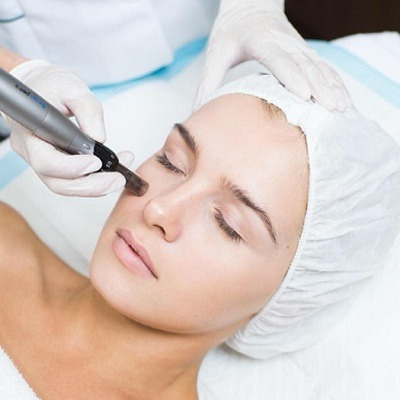
Microneedling procedures are conducted with a specialized hand-held medical device, tipped with an array containing numerous fine, sterile needles. Skin specialists use these devices, moving them gradually across the skin surface, to create extremely small and evenly spaced punctures in the upper dermis. This intentional damage tricks the treated tissue into responding with robust tissue regeneration, enhanced collagen production, and blood circulation. These developments gradually improve and steadily maintain the dermal elasticity, texture, strength, and healing capabilities in the treated areas. As microneedling treatments operate chiefly through different biological functions, their effects are remarkably natural and durable compared to some of the alternative options like Botox.
Microneedling Cost In Abu Dhabi:
The Microneedling Treatment Cost is usually somewhere in the range of 600 AED – 3,500+ AED. However, we should clarify here that these figures are only rough approximations and often vary for individual cases based on some differences in their goals, preferred types of microneedling, any underlying dermal disorders, or due to certain additional facility expenses or practitioner fees. Here is a helpful and informative comparison of the average costs involved in some of the common types of dermal microneedling procedures used to heal and renew the skin tissue.
| Treatment Types | Estimated Costs |
| Traditional Microneedling | 600 AED – 1,200+ per session. |
| Radiofrequency Microneedling | 1,500 AED – 3,000+ per session. |
| Microneedling + PRP | 1,200 AED – 3,500+ per session. |
| Microneedling + Infusion | 1,300 AED – 1,500+ per session. |
| Microneedling For Large Areas | 2,500 AED – 4,500+ per session. |
Factors Affecting Microneedling Prices
Here are some of the key factors that influence the fluctuating costs of microneedling procedures in Abu Dhabi.
- Provider Expertise
- Clinic Location
- Type of Microneedling Technique
- Microneedling Devices
- Treatment Area
- Skin Condition
- Number of Sessions
- Add-ons Like PRP or Growth Factors
Which Skin Concerns Can Microneedling Treat?
Although microneedling procedures are mostly discussed in their aesthetic capacity, they are also very useful and efficient as medical treatments for particular skin conditions because of their natural properties. A few of these conditions and concerns are briefly listed below.
General Concerns:
- Minor Acne and Surgical Scarring.
- Laxity, Fine Lines, and Wrinkles.
- Enlarged and Clogged Dermal Pores.
- Uneven, Bumpy, or Rough Texture.
- Hyperpigmentation, Patchiness, and Sun Damage.
- Visible and Unwanted Stretch Marks.
Specific Conditions:
- Hyperhidrosis.
- Alopecia.
- Melasma.
- Androgenetic Alopecia
Types Of Microneedling Treatment We Offer:
Our experts use a variety of microneedling techniques to provide better, longer-lasting improvements, as well as more appropriate treatments for the specific needs or skin conditions of their patients. Some of the common variations of these treatments favored by our specialists are explained here.
Traditional Microneedling:
The standard procedures rely on simple motorized microneedling pens or rollers to make the stimulating punctures in the afflicted skin tissue. These treatments are ideal for minor dermal issues like fine lines, large pores, and mild acne scarring.
Radiofrequency (RF) Microneedling:
A combination of the benefits of regular microneedling and radiofrequency therapies. Administered with a specialized device that delivers RF energy deep into the dermis through the tips of the micro-needles to produce advanced skin tightening and regeneration.
Microneedling with PRP:
Also known as Vampire Facials, PRP + Microneedling treatments deliver plasma derived from the patient’s blood using channels created with microneedling devices. The platelets in the plasma release growth factors that boost healing and improve the skin’s glow.
Nano-Needling:
A less-intense alternative to standard microneedling, nano-needling procedures use shorter needles that create smaller channels limited to the epidermis. This technique is typically used to improve skin care product absorption and to stimulate cellular regeneration in sensitive skin types.
Microneedling Delivery Systems:
Microneedling procedures are often augmented with special skin boosters and serums that use the micro-channels or conduits created with the needling process to reach the deeper dermal layers. This allows more efficient absorption of medication and moisturizers.
Medical Devices Used For Microneedling Procedures:
Dermatologists have various types of microneedling devices, specialized for different purposes and specific procedures, which help them better personalize and tailor their treatment plans for the different needs and skin conditions of their patients. We will briefly explain a few popular options among these devices in the sections below.
Motorized Microneedling Pens:
The most frequently used equipment for microneedling procedures, these machines are powered by electric motors that oscillate the needles at high speed. Motorized pen devices also have various useful features like adjustable penetration depth settings (ranging between 0.25 mm- 2.5 mm) and interchangeable single-use needle tips that help improve the precision and safety of the needling process.
Derma Rollers:
Hand-held manual devices equipped with movable cylinders covered in fine needles that are rolled across the skin surface to create the controlled wounds required for the microneedling procedure. Because of this design, they cover large areas much quicker. Rollers are typically used for at-home, superficial microneedling and, therefore, normally have shorter needles that only penetrate the epidermal layers.
Derma Stamps:
Simple flat-headed devices with an array of sterilized needles that must be manually pressed into the afflicted dermal tissue during the microneedling treatment. Derma stamps are often used as alternatives to rollers because they significantly reduce the risk of dragging and tearing that is common with those devices. Stamps are ideal for smaller treatment areas and localized conditions.
Micro-Infusion Systems:
Fitted with a reservoir that helps dispense various types of skin boosters, active ingredients, and infusion serums, these devices are designed to streamline combination microneedling treatments that use the dermal channels created during microneedling to improve absorption of certain solutions. Micro-infusion systems have hollow needles that can create micro-injuries in the skin and inject serums through them simultaneously.
Meet Our Dermatologists For Microneedling In Abu Dhabi:
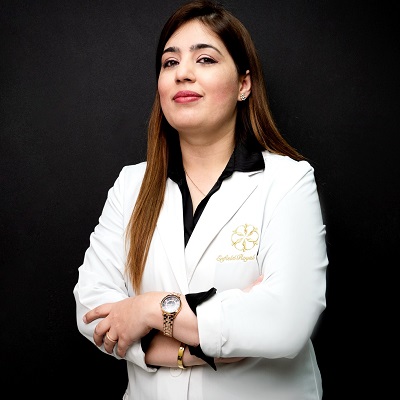
The qualified skin specialists of Enfield Royal Clinic Abu Dhabi bring years of practical experience, training, and technical knowledge to all of their medical solutions, including microneedling. With careful and exhaustive assessments, consultations, and various other diagnostic strategies, they identify the root causes of their patient’s concerns before suggesting an appropriate remedy. Here are a few of our experts known for their effective and safe microneedling treatments.
- Dr. Manar Elazizi: A board-certified practitioner, specialized in Dermatology and Anti-Aging Medicine, with over 30 years of active medical service.
- Dr. Saba Khan: A skilled, board-certified specialist with a specialty in Aesthetic Medicine and 7+ years of hands-on medical experience.
- Dr. Muhammad Jan: A board-certified and licensed specialist with more than 5 years of experience in Dermatology and Aesthetic Medicine.
What Are The Benefits Of Microneedling?
Here are a few of the most valuable benefits and effects of microneedling treatments.
- Build firmer, more elastic, and youthful skin tissue.
- Significantly reduce fine lines and wrinkles.
- Fade and soften acne marks and surgical scars.
- Constrict enlarged pores and reduce roughness.
- Combat hyperpigmentation and balance skin tone.
- Improve dermal absorption of skin care products and medicine.
- Activate dormant follicles and support hair growth.
Step-by-Step Guide To The Microneedling Procedure
Typical microneedling procedures can be somewhat difficult to limit to a simple step-by-step process, because they are frequently customized for each patient’s specific needs. However, we can look at a rough structure of the most vital processes involved in these treatments and their purpose.
Dermal Tissue Evaluation
A specialist consults the patient regarding their goals and expectations for the microneedling treatments, and examines the target areas to determine the skin type, natural tone, and the cause of their concerns. Utilizing the information gathered from this consultation and assessment, the practitioner selects a suitable type or technique of the procedure.
Cleansing & Preparation
On the day of the treatment, the specialist performs a rudimentary checkup to ensure the patient is eligible for the needling process. Once the assessment is completed, they cleanse the target areas of oil, microbes, and other impurities. The experts also apply topical anesthetics 30 – 45 minutes before treatment to desensitize the area.
Controlled Micro-Injury Application
The provider uses a special microneedling pen or roller to distribute precise micro-punctures on the specified areas of the epidermis and dermis. Depending on the specific array and configuration of the needles, each pass creates 200 to 300 holes per square centimeter of skin, with 0.5mm – 2.0mm between each wound.
Clearing Superficial Blood
The initial microneedling process causes a small amount of bleeding on the treated area: once the target areas are sufficiently treated, the specialists gently remove the blood accumulated on the skin and disinfect the area with a medical-grade antiseptic to minimize the risk of bacterial and viral infections in the exposed tissue.
Immediate Post-Needling Care
The treated skin is normally irritated, red, and tender in the early hours after the microneedling procedure. Experts mitigate these early side effects with ice packs, soothing serums, and some other techniques for pain relief. The specialists typically keep the patient under supervision for a short period to note the initial progress.
Before And After Results Of Microneedling
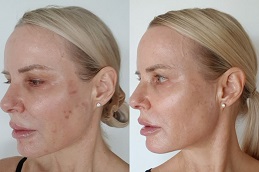
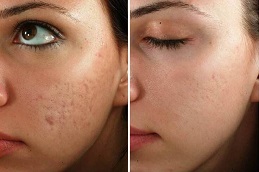
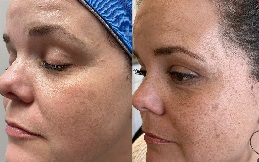
Take a look at some images showing the skin condition of a few of our patients before and after their microneedling procedure: the first acquired immediately before their treatment and the second, 3 – 6 months after the initial session.
When Will You See Results From Microneedling Treatments?
Most patients notice the first superficial results, usually as the radiance improves, within 1 – 2 weeks of the initial microneedling session, while the more meaningful, structural changes can take anywhere between 4 and 12 weeks to develop. Here is when the different results and improvements usually appear.
- Large Pores and General Glow:
Refined pores and a fresh, youthful radiance in the treated skin are often the first results of the treatment, usually developing within 1 – 2 weeks.
- Hyperpigmentation and Dark Spots:
Removal of unwanted pigmented cells and their replacement with newer, evenly toned cells, which reduces hyperpigmentation and discoloration, takes slightly longer, normally around 4 – 6 weeks.
- Acne or Minor Surgical Scars:
Most scar tissue is dense and fibrous; it breaks down gradually over a period of 6 – 12 weeks and usually needs multiple sessions of microneedling.
- Fine Lines, Sagging, and Wrinkles:
Although the first improvements in age-related skin issues are visible in 3 – 4 weeks, the completely matured anti-aging effects usually appear after 2 – 3 months.
How Many Sessions Of Microneedling Are Recommended?
Specialists normally recommend a basic course of 3 – 6 microneedling treatments (with regular intervals of 4 – 6 weeks at the least) for common dermal issues such as minor age-related concerns, scarring, or discoloration.
- General Skin Rejuvenation: 3 – 4 standard sessions.
- Acne Scars and Deep Wrinkles: 4 – 6 microneedling sessions, sometimes up to 8.
- Stretch Marks and Surgical Scars: 6 – 8 microneedling treatments, often depending on the depth and age of scar tissue.
- Pigmentation and Sun Damage: 3 – 6 microneedling sessions, sometimes with infusions.
The Complete Microneedling Recovery Timeline:
Here is a simplified timeline of the recovery phase for the standard microneedling treatments.
| Phase | Time | Results |
| Initial Healing | Day 1 – 2 | Patients might notice some redness, tightness, and mild swelling on the treated areas. |
| Peeling Or Flaking | Day 3 – 5 | Most of the early side effects gradually subside as the treated skin slowly starts to peel and replace its superficial dermal layer with new cells. |
| Tightening | Day 6 – 7 | The micro-punctures are completely healed, and the flaking or peeling stops, leaving the treated skin tissue considerably brighter and smoother. |
| Collagen Remodelling | Week 2 – 8+ | Collagen generation, triggered by the treatment, speeds up and continues to improve the skin’s texture, tone, and firmness over time. |
Possible Side Effects And Risks Of Microneedling:
Although microneedling is generally considered safe and effective, particularly when it is performed in a reputable clinic by qualified dermatologists, these procedures carry certain risks that must be noted. Here are a few potential side effects of microneedling.
- Redness
- Swelling
- Skin sensitivity
- Pinpoint bleeding
- Flaking
- Infection
- Allergic reactions
Prevention Guidelines For Complications In Microneedling:
Medical authorities in the UAE enforce several regulations and various operational guidelines to reduce the chances of complications and side effects during microneedling procedures. Here are a few of these rules meant to protect patients from potential risks and issues during their dermal treatments.
- Practitioners must have the relevant training, qualifications, and licenses from the Department of Health.
- A complete evaluation and diagnosis by a qualified skin specialist is required for patients before any procedure.
- Only high-quality products that have been appropriately tested can be used or prescribed by practitioners.
- Specialists and staff must maintain strict standards of sterilization and cleanliness within the facility.
Who Are The Ideal Candidates For Microneedling?
Specialists studying the varying potency of different procedures have found that certain kinds of patients are more likely to benefit from microneedling than others. The experts distinguish the compatible types of individuals through an exhaustive process of assessments, trials, and screenings. The best applicants for microneedling, according to the professionals, have at least some of the following qualities.
(Please Note that these criteria can vary among different practitioners.)
- Atrophic or depressed acne scars.
- Fine lines, wrinkles, and other early signs of aging.
- Uneven dermal texture and enlarged pores.
- Sun damage or hyperpigmentation.
- Otherwise good and healthy skin condition.
- Clear, realistic goals and expectations.
Who Should Avoid Microneedling Treatments?
Dermatologists postpone or even cancel skin treatments, usually when they discover some type of compromising medical problem in their patient that can lead to serious complications or side effects during or after the dermal treatment. We’ve mentioned a few of the common contraindications for microneedling procedures in the list below.
- Active acne breakouts or infection in the target areas.
- A history of abnormal, keloid, or excessive scar formation.
- Certain blood disorders or reliance on anticoagulant medication.
- Compromised immune system or certain autoimmune disorders.
- Uncontrolled diabetes or similar significant health conditions.
Microneedling Vs. Chemical Peels Vs. Laser Resurfacing:
Among non-invasive skin treatments, microneedling, chemical peels, and laser resurfacing procedures are the most popular, as they are highly versatile and effective against a variety of skin conditions. Here is a simple comparison detailing some of the key features of these dermal procedures.
| Features | Microneedling | Chemical Peeling | Laser Resurfacing |
| Ideal For | Acne scars, early fine lines, large pores, etc. | Sun spots, dullness, uneven tone, mild acne conditions, etc. | Deep wrinkles, severe sun damage, tough scars, etc. |
| Recovery Time | 1 – 3 days. | 1 – 14 days, depending on peel strength. | 1 – 3 weeks. |
| Sessions | 3 – 6 sessions. | 1 – 6 sessions. | 1 – 3 sessions. |
| Key Mechanisms | Makes tiny, controlled wounds in the skin barrier to trigger natural healing and tissue repair. | Exfoliates the superficial skin layers using mild acidic solutions that dissolve the bonds between cells. | Removes the damaged or otherwise afflicted layers of the skin with focused beams of light. |
Is Microneedling Compatible With Other Dermal Procedures?
Microneedling procedures are often paired with other skin treatments, particularly PRP injections, Radiofrequency therapies, chemical peels, dermal fillers, and neuromodulator injections, like Botox. These procedures work in synergy to support each other’s results and help produce generally better or highly personalized skin improvements.
- Platelet-Rich Plasma Injections:
PRP injections are often applied during or immediately after a microneedling session to increase the rate of cellular regeneration and collagen production.
- Radiofrequency Therapies:
Radiofrequencies delivered deep into the dermal tissue during microneedling help improve the tightening effect of the procedure, besides encouraging even better collagen generation.
- Chemical Peels:
Often paired to treat both outer and deeper layers of the dermis, though the peeling and needling sessions are spaced to allow recovery.
- Dermal Fillers:
Done sequentially or simultaneously, fillers and microneedling procedures help tighten, subtly contour, and restore lost volume in particular areas of the skin tissue.
Why Choose Enfield Royal Clinic For Microneedling In Abu Dhabi?
At Enfield Royal Clinic, our qualified dermatologists and skin care providers are renowned for their safe, strategic, and effective dermal treatments. Thousands of patients from across the UAE trust our services for their aesthetic and medical concerns. Here are a few of the common reasons behind the loyalty and confidence they show in our clinic.
- 10+ years of excellence in skin care, deep healing, and restoration procedures.
- Over 2000 completed microneedling treatments with consistently positive results.
- Attentively tailored microneedling techniques for specific needs and goals.
- Qualified and trained skin specialists with 15+ years of practical experience.
- Strong commitment to the safety, comfort, and privacy of patients.
- Reasonable prices for various dermal restoration and microneedling procedures.
- A devoted team of dermatologists, nurses, and amiable support staff.
Renew, Repair, And Tighten Your Skin With Our Non-Invasive Solutions!
You can find the most appropriate solutions for any of your aesthetic or medical skin issues with our dedicated team of practitioners (which includes qualified dermatologists like Dr. Saba Khan, with more than 7 years of experience), who provide safe and dependable treatments for Microneedling in Abu Dhabi, alongside a range of other dermatological procedures. Fill in the form below and schedule your appointment with one of our skilled specialists today. You can also contact us on our helpline or through WhatsApp to get reliable information and support for all of your queries or concerns.
FAQ’s:
When Can The Patient Start Using Makeup After Microneedling Treatments?
At minimum, a waiting period of 24 - 48 hours before applying any kind of cosmetic or makeup product on the treated skin is necessary. However, most skin specialists recommend refraining from makeup use for at least 72 hours or more.
Is It Safe To Work Out And Exercise Normally After A Microneedling Procedure?
No, patients should avoid any physical activities that induce heavy sweating and intense workouts, particularly in the first 1 - 3 days, after their microneedling procedures. Sweating and exercise can significantly increase the risk of infections and inflammation.
Can Patients Wash Or Cleanse Their Face Immediately After Microneedling?
No, patients should not wash their face immediately after a microneedling treatment. Specialists typically suggest leaving the treated skin completely untouched for the first 4 - 6 hours, using lukewarm water for washing, and applying mild cleansers only after 24 hours.
Does The Skin Normally Peel And Flake Off After Microneedling Treatments?
Some light dryness, peeling, and flaking of the skin is completely normal with microneedling, typically starting around 3 to 5 days after the treatment. However, these symptoms do not appear in all patients and subside in a few days.
Are Patients Allowed To Go Out In Sunlight After Microneedling Procedures?
Patients are generally advised strictly against unnecessary exposure to direct sunlight or UV rays. Particularly during the initial 2 - 3 days after microneedling, the skin barrier at the treated sites is compromised and vulnerable to sun damage and hyperpigmentation.
When Should Patients Expect To See The First Improvements After Microneedling?
The first results, typically a healthy glow and smoother texture in the treated areas, develop gradually and are normally visible after 5 - 7 days. The peak collagen remodeling and healing effects of microneedling, however, appear progressively over 3 months.
How Painful Is A Standard Microneedling Treatment For Minor Skin Issues?
The typical procedure for microneedling is reported to cause mild to moderate discomfort, with most patients feeling a light scratching, vibration, or prickly sensation. Practitioners normally apply topical anesthetics, 30 - 45 minutes before treatment, to numb the target areas.
How Many Sessions Of Microneedling Are Recommended For Best Results?
For mild skin concerns, specialists generally propose a simple course of 1 - 3 standard microneedling sessions. However, in case of moderate or more advanced issues, such as deep wrinkles and severe scarring, they may recommend anywhere between 3 - 8 sessions.
What Are The Most Common Side Effects Of The Microneedling Procedure?
Temporary redness, mild inflammation, and sensitivity are among the most frequent side effects of the microneedling procedure. Besides these, there is a lower chance of issues like pinpoint bleeding, dryness, flaking, bruising, and (rarely) infections, pigmentation changes, and scarring.







 Start
 Chat Now

