Quick Facts:
- Cost: Varies, typically around 750 AED to 2,500 AED.Â
- Duration: Between 30 and 60 minutes per session.Â
- Candidates: Individuals with visible blemishes or scars.Â
- Targets: Facial areas: cheeks, chin, forehead, nose, etc.Â
- Procedure Types: Minimally invasive and non-surgical.Â
- Success Rates: 50 to 75% effective reduction in scars.Â
- Sessions: At least 3 to 6 sessions for optimal benefits.Â
- Downtime: 1 or 3 days for initial healing and improvements.
- Pain Level: Mild or moderate discomfort, 3 or 6 on a pain scale.Â
- Effects: Essentially permanent; some results fade after 1 or 3 months.Â
Do you have stubborn scarring (left behind by acne, burns, or surgical procedures) that you want to remove or, at the very least, reduce? Scars like these are often clearly visible on the face and can hurt an individual’s self-image and confidence seriously. Our expert dermatologists at Enfield Royal Clinic Abu Dhabi have a variety of cosmetic procedures at their disposal for dealing with these types of skin concerns. One of the most effective treatments among these is Microneedling for Acne Scars in Abu Dhabi. Our experts have compiled the most important details about this procedure in this guide, including its mechanism, benefits, cost, and alternative solutions that can be used for similar skin conditions.Â
Table of Content
What is Microneedling?Â
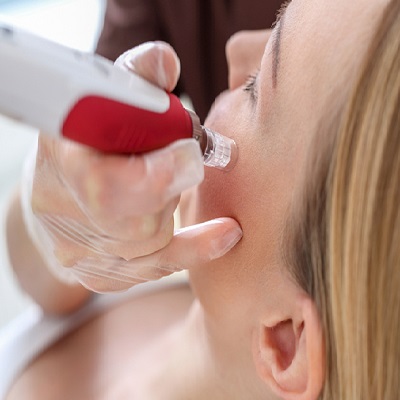
Microneedling is a slightly invasive treatment, mostly used for aesthetic purposes, where specialists deliberately make controlled injuries into specific areas of the skin to trigger healing and tissue repair. They use a pen-like device that has a tip with very fine needles to make precise pin-prick wounds. The damaged areas recover quickly from these injuries and, during the repair process, their cells produce a lot of new collagen and elastin, which tighten and strengthen the repaired tissue. This process provides a number of benefits, including improvements in the texture, tone, and elasticity of the skin as well as the reduction of blemishes and scars.Â
What Conditions Can Be Treated With Microneedling?
A microneedling treatment can be very useful for the management of a variety of skin conditions, besides acne scars. Here are a few common applications of this procedure.Â
- Acne scars.Â
- Fine lines and wrinkles.Â
- Enlarged pores and texture concerns.Â
- Stretch marks.Â
- Hyperpigmentation and melasma.Â
- Certain hair loss and scalp issues.Â
Microneedling for Acne Scars Cost in Abu Dhabi:
The Microneedling for Acne Scars Cost is typically around 700 AED to 2,500 AED or slightly more. That said, the actual prices of these procedures may vary slightly for individuals. It could be because of numerous factors, such as differing root causes, skin conditions, treatment areas, or the number of sessions required for optimal results. There are other factors as well (such as the clinic’s prestige or a practitioner’s expertise) that might affect the final bill. However, even with these frequent fluctuations, we can still get some close approximations for a few of these treatments.Â
| Treatment Type | Estimated Cost |
| Standard Microneedling | 700 AED – 1,200 AED per session. |
| Fractional RF Microneedling | 1,500 AED – 2,500 AED per session. |
| Microneedling + PRP | 1,300 AED – 3,500 AED per session. |
Who Should Get Microneedling for Acne Scars?
Microneedling is a useful treatment for a number of health conditions and concerns. Patients often gravitate towards this procedure when they’re facing symptoms such as the following:Â
- Enlarged pores.Â
- Fine lines and wrinkles.Â
- Loose or crepey skin.Â
- Acne or burn scars.Â
- Hyperpigmentation or other discoloration issues.Â
- Stretch marks.Â
Microneedling can also be used in conjunction with other relevant treatments to help patients with the following conditions.Â
- Hair loss, particularly that caused by autoimmune disease.Â
- Excessive sweating or hyperhidrosis.Â
Who Should Avoid Microneedling for Acne Scars?Â
These procedures are not meant for everyone. Skin specialists often advise against microneedling if the patient has one or more of the following conditions.Â
- Active acne breakouts, particularly cystic acne.Â
- Blood disorders or active use of anticoagulants.Â
- Certain types of cancers, particularly skin tumors.Â
- Moles, freckles, skin tags, or other skin growths.Â
- Frequent skin rashes and cold sores.Â
- Skin conditions, such as eczema or psoriasis.Â
Popular Types of Microneedling for Scarring:
Besides traditional microneedling procedures, which we have already discussed somewhat earlier and will explain further in later sections, specialists can employ other variations of these techniques to address the blemishes and scars of a particular patient. Here are some of the most effective types of microneedling used for this purpose.Â
Radiofrequency Microneedling:
A dual-action approach that combines the useful effects of radiofrequency with microneedling. These procedures, when used in tandem, penetrate deeper into the dermal layers and have a more robust impact on tissue regeneration, blood flow, and collagen/elastin production.Â
Microneedling + PRP or PRF:
Specialists use microneedling to create tiny channels into the skin barrier and then apply nutritious serums containing PRP or PRF that follow the channels down into the deep dermis to produce stronger and longer-lasting effects, as well as brighter, smoother, and firmer skin.Â
Micro-channeling / Gold Stamp:
Gold stamps can be considered a type of microneedling as they use very fine gold needles to make precise punctures into the skin. Specialists use these channels to improve the absorption of special skin-care serums, medications, and similar formulas meant to improve the appearance and health of the dermis.Â
How to Prepare for a Microneedling Procedure:
Most dermatologists provide some detailed guidelines to properly prepare their patients for the treatment and to minimize the chances of any complications or difficulties. Here are a few of these guidelines that our readers should note.Â
- Don’t try any other dermal treatments, particularly in the 2 or 3 weeks before your microneedling appointment.Â
- Avoid direct exposure to harsh sunlight and tanning procedures.Â
- Consult your chosen dermatologist about the use of any active skin care products, especially those with retinoids or exfoliants.
- If possible, avoid anticoagulant medication, and if not, inform your specialist about the specific prescriptions you’re using.Â
The Key Stages of the Microneedling Process:
Although they might be slightly different for each patient, a standard microneedling procedure generally follows the following steps.Â
Consultation and Assessment:
The skin specialist of your choice evaluates the condition of your skin and clarifies your goals and expectations to determine if this particular treatment is suitable to address your concerns.Â
Cleansing and Numbing:
On the day of the procedure, a technician cleanses the target areas of your skin and applies a topical anesthetic (usually lidocaine cream or a similar agent) to numb the target areas. You might have to wait for 20 or 40 minutes for it to take effect.Â
Microneedling:
The specialist glides the microneedling device slowly over the target areas of your skin to distribute the punctures evenly. They sometimes have to use a hyluronic acid-based lubricant during this step to reduce friction between the device and skin.Â
Infusion (optional):
The specialists might augment this procedure with serum infusions if requested by you or necessary for the proper treatment of your conditions. They can use this step to apply various nutrients or medications that support the growth and health of your skin. The channels created via microneedling improve the absorption of these serums.Â
Post-treatment Care:
During the final stage of the procedure, your skin will be cleaned once again to remove any blood or ointments from its surface. Specialists will apply certain soothing ointments to minimize any inflammation or skin irritation that might appear as the effects of the numbing agent wear off.Â
Important Guidelines for Aftercare:
Skin care and maintenance during the first few weeks following a microneedling procedure are vital for the proper healing and improvement of the patient’s skin. Here are some guidelines that experts typically provide for this purpose.Â
- Avoid touching or rubbing your skin unnecessarily.Â
- Use gentle cleansers and lukewarm water to wash the treated areas.Â
- Don’t use any makeup or harsh dermal products for the first 24 hours.Â
- Refrain from strenuous exercise, saunas, and hot showers.Â
- Do not pick or scratch at your skin if it feels dry or starts flaking.Â
How Many Sessions Are Required?
The session requirement for microneedling is different from patient to patient. It mostly depends on how an individual’s skin responds to the treatment and the extent of their condition. In the case of acne scarring, specialists generally use the following treatment schedules.Â
- Mild Scarring:Â
A series of 3 to 4 sessions with a space of 4 or 6 weeks between each repetition.Â
- Moderate Scarring:Â
Typically, 4 or 6 sessions with regular intervals of 4 to 6 weeks between each treatment.Â
- Severe Scarring:Â
6 to 8 or more sessions with a gap of at least 4 to 6 weeks between each repetition.Â
A Simple Timeline of Results:
| Phase | Time | Results |
| Temporary Side Effects | Days 1 – 3 | The skin might feel tight and slightly sunburnt. Redness, swelling, flaking, and dryness are also common during this stage. |
| Initial Healing | Week 1 | Most of the side effects fade, and the skin begins to look more radiant and fresh as it continues to heal its micro-injuries. |
| Visible Improvements | Weeks 2 – 4 | The effects of an increased rate of collagen production are more noticeable as the dermis becomes tighter, smoother, and stronger. |
| Lasting Effects | Months 3 – 6 | The new collagen, cellular turnover, and increased blood circulation caused by microneedling begin to show their definitive results as the scarring appears more faded and filled out. |
Before and After Microneedling:
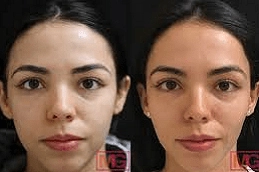
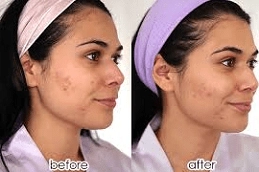
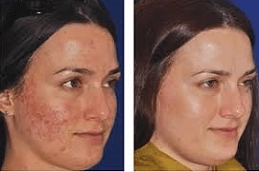
Here are some pictures from our trusted patients, showing the state of their skin before and after their microneedling scar reduction treatment.Â

The Benefits of Microneedling for Acne Scars:
Microneedling is a very useful technique for the effective treatment of various dermal conditions, including:Â
- Reduction of indented acne or burn scars.Â
- Fades stretch marks and early signs of aging.Â
- Helps with hyperpigmentation and sun damage.Â
- Improves skin texture and softness.Â
- Makes the absorption of skin care products faster.Â
- Requires minimal downtime.Â
- Highly customizable for varying needs and conditions.Â
Some Side Effects and Risks of Microneedling:
Although these treatments are generally considered safe and effective for almost all skin tones, they have a potential for risks and side effects that all patients should be aware of.Â
Minor / Temporary Side Effects:Â
- Redness.Â
- Swelling.Â
- Peeling or Flaking.Â
- Pinpoint Bleeding.Â
- Sensitivity.Â
Is Microneedling the Best Acne Scars Treatment?Â
This treatment is one of the most effective and highly regarded solutions for the reduction of acne scars; however, whether it is the best depends on the specific skin condition an individual has. In the case of depressed or atrophic scars, microneedling makes the scars approximately 50 to 75% less noticeable over a total of 4 to 6 sessions. Compared to alternatives, over 80% of all patients report satisfactory results from their microneedling treatments. For keloid or raised scars, on the other hand, specialists generally do not use this treatment as it might complicate the condition further, leading to further scarring or discoloration.Â
Alternative Treatments for Acne Scar Removal:
Although microneedling is the most preferred procedure for these skin concerns, specialists have a few other options at their disposal for the removal or, at least, reduction of acne scars.Â
Laser Resurfacing:
Technicians focus high-intensity lasers on the scarred areas of the skin to reduce their appearance. Ablative techniques of laser therapies remove the top-most dermal layers entirely, while non-ablative methods gently heat the skin to stimulate collagen production.Â
Chemical Peels:
Specialists exfoliate the outer layers of the dermis by applying acidic peels (typically containing glycolic, salicylic, or lactic acids). This process brings a fresher and healthier layer of the skin to the surface and stimulates cellular turnover to reduce and fill out scars in the tissue.Â
Dermal Fillers:
Injections of hyaluronic acid and similar components that add volume to indented areas of the skin, making its texture smoother and its scars less noticeable. Note that these fillers are only a temporary solution, and their effects usually fade after 1 or 2 months.Â
Microneedling vs. Microdermabrasion:
Microdermabrasion can be considered an alternative for scar reduction as well. However, it is best explained in comparison to microneedling.Â
| Feature | Microneedling | Microdermabrasion |
| Mechanism | Controlled micro-injuries that stimulate healing and collagen production. | Exfoliation of the superficial dermal layers with a rough-tipped device and vacuum suction. |
| Targets | Acne scars, deep wrinkles, and loose skin. | Surface concerns, dullness, roughness, enlarged pores, and mild discoloration. |
| Downtime | 1 – 3 days of minor side effects. | Mild skin irritation, but doesn’t require downtime. |
| Effect Durability | Long-lasting. 3 – 6 months on average. | Temporary. 4 – 6 weeks on average. |
| Cost & Invasiveness | More expensive and slightly invasive. | Less expensive and non-invasive. |
Why Choose Us?
A good clinic is very important for the success of a cosmetic treatment that impacts the feel and tone of your skin. We think that Enfield Royal Clinic Abu Dhabi is the right choice for patients who want to rejuvenate their skin and reduce scarring. Our qualified skin specialists and proven methodologies are renowned for their capabilities. Thousands of loyal patients trust us to help them with all their aesthetic and medical needs. Here are a few reasons for their loyalty and trust.Â
- 10+ years of excellence in skin care and dermal treatments.Â
- Highly tailored treatment strategies to address specific needs.Â
- Qualified and experienced specialists with years of experience.Â
- Dedication to the safety, comfort, and privacy of patients.Â
- Clear, reasonable prices for all medical and cosmetic procedures.Â
- A dedicated team of specialists, nurses, and friendly support staff.Â
Get The Youthful and Flawless Skin You Want:
You can find the best solutions for all your skin’s aesthetic and medical needs with our dedicated team of specialists including Dr. Muhammad Jan, with over 5 years of experience in dermatology and their diverse treatments, including common exfoliation procedures like Microneedling for Acne Scars in Abu Dhabi. Fill out the form below and schedule your appointment with one of our experienced dermatologists today. You can also contact us on our helpline or WhatsApp to get the reliable information and professional support you need.Â
FAQ’s:
What Types Of Acne Scars Respond Best To Microneedling?
These treatments are most effective for atrophic acne scars, i.e., depressed or indented scars. Rolling, boxcar, and ice pick scars are the most common examples of these.Â
Does Microneedling Work For Keloid Or Raised Acne Scars?
Microneedling fills indented scars by increasing the amount of collagen in the skin. With keloid scarring, more collagen can actually worsen the problem instead of reducing it.Â
Is Microneedling Safe For All Complexions And Skin Types?
Yes, experienced aesthetic specialists consider these treatments completely safe and effective for almost every type of skin, including darker skin tones rich in melanin.Â
How Many Microneedling Sessions Are Best For Acne Scar Removal?
The session plans change with the skin condition and the goals of the patients. For most, however, specialists recommend around 3 to 6 sessions over a period of 4 or 8 months.Â
How Painful Is A Microneedling Treatment?
Most clients don’t report feeling any pain during their microneedling procedure because the target areas of the skin are often desensitized with a numbing agent before the treatment.Â
Can We Combine Microneedling With Other Dermal Treatments?
Yes. In fact, specialists frequently combine microneedling with procedures like dermal fillers, chemical peels, PRP injections, and serum infusions to improve its overall benefits.Â
How Long Is The Downtime For A Microneedling Treatment?
Normally, dermatologists prefer a downtime of at least 3 to 5 days to allow the inner layers of the skin to heal properly. However, they might extend or reduce this period based on their patient’s condition.Â
Are The Results Of Microneedling Permanent?
Some of the results, such as its effects on acne scars, can be considered permanent. But other results, such as skin tightening and plumpness, might fade with aging.Â
Are There Any Side Effects Or Risks In A Microneedling Procedure?
As a cosmetic procedure, microneedling has a few side effects, though they are rare and temporary. They include: redness, swelling, sensitivity, flaking, infections, and further scarring.Â


Start