


Quick Facts:
- Cost: Approx. 250 AED- 6,000 AED+. Prices might vary for different treatment types.
- Goal: Clears active acne issues, limits future breakouts, and prevents scar formation.
- Duration: 30 – 60 minutes for in-office treatments. 3 – 6 months with at-home solutions.
- Downtime:0 days – 2 weeks with extensive skin care. Varies with type of treatment.
- Safety: Safe and well-tolerated treatments, suitable for a variety of skin types.
- Success: 50-85% reduction in acne breakouts and scarring concerns.
- Benefits: Flawless and healthier skin with clean pores, less oiliness, and an even tone.
- Final Results: 2-3 months with topical treatments. 4- 6 months with advanced procedures.
- Treatment Type: Various non-invasive methods with different effective mechanisms.
- Recommended Specialist: Dr. Saba Khan, with more than 7 years of practical experience in Aesthetic Medicine and Dermatology.
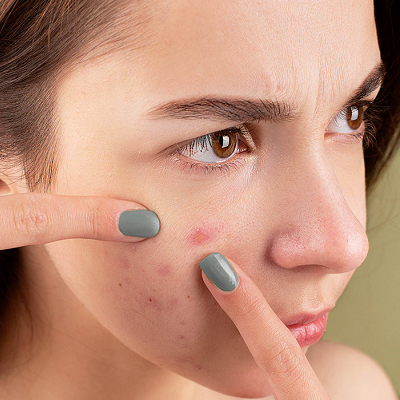
Do you have questions about professional solutions effective for common skin conditions and unpleasant symptoms that are related to acne, such as blackheads, pimples, or visible scarring? Skin specialists at Enfield Royal Clinic offer multiple useful options for Acne Treatment in Abu Dhabi, for the management of common symptoms as well as the underlying factors triggering them. Starting around 250 AED, our diverse solutions for acne are designed to make essential skin care more accessible and cost-effective. Besides this, our skilled experts (like Dr. Manar Elazizi) create personalized treatment plans, with appropriate dermatological methodologies meticulously chosen for the distinct needs and skin type of each individual patient. Continue reading to learn how these procedures work along with their benefits, cost, and limitations.
Table of Content
What Are Acne Treatments?
A variety of skincare and medical (primarily non-invasive) methodologies, acne treatments are designed to help patients manage the common symptoms of these conditions and prevent or limit the risk of breakouts in the future. Solutions can range from some topical dermal ointments to more advanced in-office procedures like HydraFacials, chemical peels, laser therapies, etc. The diversity of these procedures is very useful for targeting the various causes and the distinct types of acne conditions. We will explain a few popular treatment options and their mechanisms in detail. But before that, we need to lay some essential groundwork, particularly regarding the causes of acne and the areas it frequently affects.
What Are The Causes Of Acne Breakouts?
Here’s a short list of some internal and external factors that can either trigger or worsen cases of acne.
- Excessive Oil
- Clogged Pores
- Bacterial Growth
- Inflammation or Immune Issues
- Genetics
- Hormonal Changes
- Environmental Conditions
- Cosmetic Products or Medication
- Lifestyle and Diet
What Are The Common Target Areas During Acne Treatments?
Most breakouts develop in skin tissue with a relatively high concentration of sebaceous glands that produce dermal oils. A few of the regions that are usually treated with acne procedures are mentioned below.
- Forehead
- Nose
- Cheeks
- Chin
- Jawline
- Neck
- Shoulders
- Chest
- Upper Back
Acne Treatment Cost in Abu Dhabi:
In Abu Dhabi, the standard acne treatment cost is usually somewhere in the range of 250 AED – 6,000 AED+. That said, we should clarify that these figures are only rough approximations and might vary for individual cases based on differences in patients’ symptoms, goals, preferred treatment techniques, underlying health conditions, or certain facility expenses or fees from the healthcare provider. To put this into better perspective, here’s a comparison of different types of acne treatments and their generalized price ranges.
| Treatment Types | Estimated Costs |
| HydraFacial Therapy | 300 – 1,000 AED+ per session. |
| Chemical Peels | 300 – 2,000 AED+ per session. |
| Laser Therapy | 500 – 5,000 AED+ per session. |
| Microneedling | 250 – 3,500 AED+ per session. |
| PRP Injections | 700 – 1,500 AED+ per session. |
| Acne Extraction | 300 – 900 AED+ per session. |
Common Types of Acne Conditions:
The confusion surrounding acne and how it works is mostly because of its many different forms and how each of these forms interacts, in its own way, with different types of skin. Specialists and researchers have various systems of organizing and identifying these variations. For simplicity, we will group them into three categories.
Non-Inflammatory Acne:
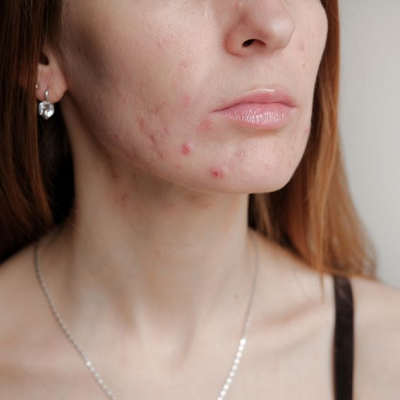
Visible, usually small, bumps that appear when hair follicles are clogged due to excessive production of oil and accumulation of dead skin cells. This variant is divided further into the following specific symptoms.
| Sub-Type | About |
| Whiteheads | Raised, white bumps on the skin that develop when clogged pores remain closed, trapping the oil and cell material under the dermal tissue. |
| Blackheads | Black or dark brown blemishes that develop when the impurities clogging the pores are exposed to the air and start reacting to oxygen. |
Advanced Acne:
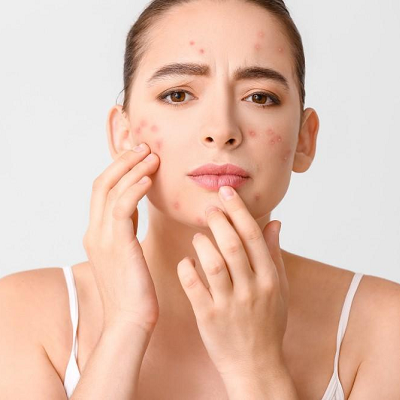
Noticeable and frequently reddened pimples or cysts, usually aggravated due to bacterial infection and inflammation in surrounding skin, causing pain and often leaving lasting scars in the skin. A few common subtypes include.
| Sub-Type | About |
| Papules | Red or pink bumps that are often tender to the touch and develop when inflammation ruptures the inner wall of the clogged pores. |
| Pustules | Classic pimples that emerge due to bacterial infection in congested pores resemble papules, except for a white or yellow center filled with pus. |
| Nodules | Large, solid, and painful projections that develop when infection or inflammation in blocked follicles causes serious damage or irritation in the surrounding dermal tissue. |
| Cysts | The most advanced and serious form of acne; cysts are deep, painful, and pus-filled lumps in the skin triggered by severe infections and inflammation. |
Other Forms Of Acne:
Besides the two basic types of this disorder, there are a few additional types of acne that might have symptoms similar to those mentioned earlier but have very different underlying causes.
| Sub-Type | About |
| Hormonal | A very common cause of breakouts in adolescents, causing deep blemishes and pimples that are triggered due to fluctuations in hormones during puberty. |
| Fungal | Itchy bumps similar to whiteheads or papules that form when a type of yeast builds up in hair follicles, causing congestion and infection. |
When Should Individuals Seek Treatment For Their Acne?
There are types of acne that clear up easily on their own or with some basic care and over-the-counter medication. However, that’s not true for everybody. Here are a few cases when it’s better for the afflicted individual to consider professional assistance.
- Persistent signs of acne.
- Painful pustules or cysts.
- Discoloration on the skin.
- Acne-related scars or marks.
- Skin inflammation due to acne.
- Breakouts triggered by hormones.
- Infections in the clogged follicles.
How Do Specialists Diagnose Acne and Its Types?
Since we’ve discussed the types, causes, and typical patients of acne to a suitable extent, we should explain how dermatologists identify and treat these skin conditions next.
Consultation:
The skin specialist discusses the patient’s health condition and medical history, inquiring about various aspects like recent skin disorders, similar concerns among family members, or other acne-related issues to determine the trigger for the current breakout and its symptoms.
Examination:
The next stage in this identification process for acne conditions involves the specialist observing the visible indications of the disorder, particularly the size, shape, and color of the projections. This helps experts judge the acne type with greater accuracy.
Testing:
Although the consultation and examination methodologies described above are sufficient to identify most types of acne conditions, specialists may suggest some laboratory tests to ensure their diagnosis is correct before they formulate a treatment strategy based on these assessments.
How Widespread is Acne?
As a matter of fact, approximately 9.4% of the global population has at least a few symptoms of acne at any given point. A study conducted by researchers at the American Academy of Dermatology shows around 85% of adolescent or young individuals between ages 12 – 24 have at least some form of this condition, with 20% in adult women and about 5% among adult men. To combat these problems effectively, experts and researchers have developed a variety of useful medications, ointments, and advanced methodologies to address the specific needs of different patients and the different types of acne they have.
The following graph shows the estimated global prevalence of acne with reference to different demographics:

Topical Options For Treatment And Prevention Of Acne:
Topical remedies are typically the first-line defense against mild to moderate acne conditions and the more accessible solution for stopping fresh breakouts.
Retinoids:
Creams containing ingredients like adapalene and tretinoin, used regularly, accelerate cellular turnover and reduce inflammation to clear away dead skin cells so they can’t accumulate and block dermal pores.
Benzoyl Peroxide:
Available in OTC ointments with varying strengths, Benzoyl Peroxide eliminates acne-causing bacteria and breaks down excess oil and dead skin cells to combat the risk of acne development.
Salicylic Acid:
Serums with salicylic acid, a kind of beta-hydroxy acid, assist in the removal of dead skin cells and surplus sebum to prevent them from creating obstructions in pores.
Topical Antibiotics:
OTC medications like clindamycin are useful antibiotic creams that target acne-inducing microbes like Cutibacterium acnes and alleviate inflammation to stop existing acne from turning into severe infected pustules.
Systemic Medication For Advanced Acne Conditions:
Oral or systemic medications are generally preferred for advanced or severe skin conditions and are designed to target the underlying biological drivers of acne.
Isotretinoin:
Also known as Accutane, isotretinoin is a derivative of Vitamin A that shrinks sebaceous glands, mitigates inflammation, and improves cellular shedding to prevent and reduce advanced scarring acne conditions.
Oral Antibiotics:
Tetracycline-class antibiotics, such as doxycycline, are strongly recommended to treat infection and inflammation issues that cause serious, spreading forms of dermal acne, such as painful papules and pustules.
Hormonal Therapies:
Oral contraceptive medication (typically used for female patients with adult acne conditions) that targets hormonal triggers of acne. These prescriptions normally include birth control pills and anti-androgen medication.
Advanced In-Office Procedures For Acne Management:
Advanced clinical treatments are generally reserved for stubborn cases of acne breakouts that cannot be helped with any of the first-line solutions described earlier.
HydraFacial:
An effective exfoliation treatment, performed using devices with a special Vortex-Infusion technology, HydraFacials deliver various cleansing, suction, and infusion processes simultaneously to remove oils, dead skin cells, and other acne-causing contaminants from the skin.
Chemical Peels:
Peeling techniques rely on medical-grade acidic solutions (mostly created with salicylic or glycolic acids) that remove the epidermal layers of skin to reduce oil and clear up pore obstructions to relieve acne conditions.
Laser Therapies:
Specialized treatments that direct focused light or heat energy to eliminate acne-causing bacteria as well as to soothe dermal inflammation, regulate the functioning of oil glands, and repair skin scarred due to acne.
Microneedling:
Normally not recommended for active acne issues, but can be highly effective for reducing indented scars left by acne. Microneedling creates controlled punctures in the scarred dermal tissue to trigger natural tissue repair processes.
Professional Extraction:
A medical methodology for manually removing blackheads and whiteheads with a specialized extractor tool that applies uniform pressure on all sides of the acne bump to push the blockage out of a pore.
Key Benefits of Acne Removal Procedures:
Here are a few useful effects of acne treatments on the skin.
- Clear out active eruptions of various kinds of acne.
- Remove dead cells and impurities from the skin barrier.
- Eliminate microbes to prevent infections and inflammation.
- Lower the risk of progression or worsening in acne conditions.
- Prevent permanent scarring in the skin tissue.
- Reduce post-inflammatory hyperpigmentation.
- Improve skin texture and fade discolored spots.
- Help with social anxiety and low self-esteem issues.
Before And After Results Of Acne Treatments:
Take a look at differences in the acne conditions of a few patients, before and after one of our advanced procedures.


Approved Treatments For Acne Conditions In Children:
Given their skin tissue is significantly more sensitive and vulnerable, acne issues in younger patients (preadolescent or prepubescent individuals, in particular) require more cautious remedies. The following table details the most effective acne treatments and medications that have been approved as safe for young individuals.
| Treatment Type | Recommended For | About |
| Topical Over-the-Counter | All Ages. Typically used for patients over 9 years old. | First-line solution for mild cases of acne. Low strengths used at first to minimize skin irritation in younger children. |
| Topical Retinoids | 9- 12 years and older. | Core dermal maintenance therapy; helps clear pores. Often combined with benzoyl peroxide to improve efficacy. |
| Topical Antibiotics | All ages. | Must never be used on its own due to risk of bacterial resistance; should be paired with Benzoyl Peroxide. |
| Topical Hormone Inhibitors | 12 years and older. | A more recent topical class targeting hormonal triggers locally on the skin. |
| Oral Macrolide Antibiotics | Children under 8 years. | Preferred systemic choice for younger pediatric patients when tetracyclines are forbidden. |
| Oral Tetracycline Antibiotics | 8 – 12 years and older. | Contraindicated under age 8 because they can cause permanent tooth discoloration and affect bone growth. Limit use to 3 – 4 months max. |
| Oral Isotretinoin | 10 – 19 years or older. | Reserved exclusively for severe, scarring, or treatment-resistant acne. Requires strict monitoring due to side effects. |
How To Choose The Right Treatment For Your Acne?
Formulating the treatment strategy and thus choosing the appropriate technique is the responsibility of a skilled skin specialist. However, it can be useful for patients to understand the various considerations involved in important decisions related to the treatment. The following list details the most important aspects and information required to select suitable methodologies.
- Type of acne and its symptoms.
- Sensitivity of the skin.
- Skin oiliness, tone, and texture.
- Extent of the condition (pain, depth, and pus).
- Underlying disorders that may affect acne.
- Budget and expectations for the treatment.
- Medical history and genetic predisposition.
Acne vs. Acne Scar Treatments:
Although most modern acne procedures target both active breakouts and their subsequent structural effects on the skin, a few options focus specifically on repairing the scarring and blemishes that develop after eruptions. Here are a few of their key differences and advantages.
| Characteristics | Active Breakout Treatments | Dermal Scar Treatments |
| Main Goals | Reduce dermal oiliness and kill bacteria to stop acne breakouts. | Repair skin tissue after acne breakouts and fade visible scarring. |
| Target Conditions | Active pimples, cysts, blackheads, whiteheads, dermal inflammation, and similar symptoms. | Indented pits (atrophic scars), raised bumps (hypertrophic scars), and discoloration. |
| At-Home Options | Medication with Salicylic acid, benzoyl peroxide, retinoids, and azelaic acid. | Sunscreen, topical vitamin C, niacinamide, and some mild AHAs/BHAs. |
| In-Office Options | Medical facial procedures, light therapy, chemical peels, comedone extraction, etc. | Laser skin resurfacing, microneedling treatments, subcision techniques, dermal fillers, etc. |
Additional Tips To Improve The Effectiveness Of Acne Treatments:
Prescriptions and medical treatments alone are not sufficient to prevent or resolve persistent skin conditions like Acne Vulgaris, which is often triggered readily due to a number of (often unavoidable) external and internal stimuli. Specialists suggest some useful guidelines for problems like these that, when used consistently with professional treatments, help improve overall results.
- Wash treated areas with lukewarm water and fragrance-free soap.
- Limit touching and avoid picking or squeezing the afflicted skin.
- Prioritize non-comedogenic (oil-free, water-based) skincare products.
- Use broad-spectrum, SPF 30+ sunscreen to protect the sensitive skin.
- Reduce friction as much as possible around the treated areas.
Why Choose Us?
At Enfield Royal Clinic Abu Dhabi, our licensed dermatologists are known for safe, strategic, and effective treatments for acne concerns. Thousands of patients trust our professional services for a variety of their dermal health concerns. Here are a few reasons behind this loyalty and confidence.
- 10+ years of excellence in skin care and non-surgical acne treatments.
- Over 2500 successful acne treatments with satisfactory skin repair and rejuvenation.
- Qualified and trained skin specialists with 15+ years of practical experience.
- Carefully personalized acne treatments for specific symptoms and goals.
- A strong commitment to the safety, comfort, and privacy of our patients.
- Reasonable prices for advanced medical and cosmetic non-invasive procedures.
- A competent team of dermatologists and nurses, with an amiable support staff.
Effective Skin Care And Non-Invasive Cosmetic Dermal Treatments!
You can find suitable solutions for any aesthetic or medical concerns with our dedicated team of medical practitioners (which includes experts like Dr. Manar Elazizi, with over 30 years of experience in Aesthetic Dermatology), who provide reliable and effective Acne Treatments in Abu Dhabi, alongside a variety of other procedures for various other skin concerns. Fill in the form given below and schedule your appointment with one of our skin specialists today. You can also contact us on our helpline or through our WhatsApp channels to get reliable information and professional support for all of your health-related queries and concerns.
FAQ’s:
Why Are Acne And Pimples More Common On The Face?
Facial skin has a very high concentration of oil or sebaceous glands attached to the hair follicles. These glands secrete a sticky, oily substance that can block the dermal pores.
Can The Climate In Abu Dhabi Encourage Acne Breakouts?
High heat and humidity, due to the desert and coastal climate of the UAE, increase oiliness and perspiration. This sometimes traps bacteria and clogs skin pores, leading to more acne problems.
Can Birth Control Pills Help Reduce The Recurrence Of Acne?
Yes, some types of oral contraceptives can lower the levels of androgen hormone in the body, which consequently limits the function of sebaceous glands and reduces the risk of breakouts.
How Many Laser Sessions Are Recommended For Acne Treatment?
Specialists typically recommend at least 3 - 6 sessions of the standard laser therapy, repeated at regular intervals of 2 - 6 weeks, for a majority of their patients with problems like acne.
Can You Combine Different Types Of Acne Treatments?
Yes, dermatologists often recommend a fusion of various topical or oral medications with in-office procedures for handling more severe cases of acne. The effective treatment combinations often vary from individual to individual.
What Is The Difference Between Acne And Pubescent Pimples?
Acne and pimples are very closely related, but they’re actually not the same. Acne is a broad category of dermal conditions, while pimples are a type or symptom of this disease.
Do Acne Problems Subside On Their Own After A Certain Age?
There is no concrete, reliable evidence supporting this theory. However, most research shows that breakouts of acne are more prevalent in individuals between the ages of 12 - 24 years.
Which Type Of Makeup Causes Or Worsens Acne Breakouts?
Certain cosmetic or makeup products, often classified as “Comedogenic”, can cause breakouts or worsen existing symptoms of acne because they contain components like oils, fragrances, or silicones that trigger this condition.
What Are The Most Common Side Effects Of Acne Treatments?
The potential side effects of acne treatments differ with the precise methodology used for a particular individual. Generally, these issues include dryness, redness, flaking, sensitivity, and temporary worsening of acne.





 Start
 Chat Now

