


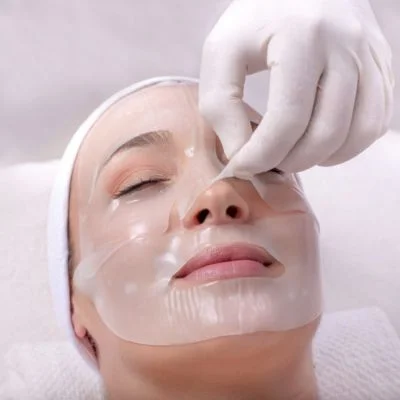
Have you ever wondered what a chemical peeling procedure actually does for your skin? It is one of the first options we consider for rejuvenating and brightening our skin without a lengthy downtime, but we rarely understand how this treatment can remove impurities from the skin and make it brighter at the same time. But exactly how does peeling help skin glow, and what other benefits does it provide? The experts at Enfield Royal Clinic Abu Dhabi have put together this brief guide to answer these questions for our readers, so they can make more informed decisions for the well-being of their skin and get the best from all of their treatments.
Table of Content
How Does Peeling Help Skin Glow?
Chemical exfoliation makes use of several different mechanisms to give a natural and youthful glow to your skin. Here are a few of them that directly improve the complexion of the dermis and make it brighter:
Dead Skin Removal
The procedure utilizes special acids like glycolic or salicylic acid to dissolve and remove the dull layer of dead skin cells that accumulates on the surface of the dermis over time.
Improved Light Reflection
The peels bring a smoother, healthier layer of the skin to the surface that has a natural pink glow. This layer reflects light well, giving it a glossy and soft appearance.
Better Cell Turnover
The acids used in these procedures cause some controlled injuries to the skin barrier, triggering a repair process that forces the body to generate new skin cells.
Dark Spot Reduction
Most kinds of peels reduce minor sun damage, spotting, and other similar pigmentation issues as well, particularly if the problems don’t go too deep into the dermal layers.
Collagen Boost
The process of controlled micro-injuries that triggers cellular turnover also stimulates the cells to produce more collagen and elastin to make the skin surface smoother and stronger.
Skincare Product Absorption
The peels make the skin more receptive so that it absorbs serums and moisturizers more easily by breaking down the barrier created by dead cells and oils.
Some Other Benefits of Peels
The perks of chemical peeling are not limited to brighter and glowing skin; this treatment can do much more than that. Here are some of the most prominent effects of this exfoliation procedure.
- More even texture and balanced skin tone.
- Reverses early signs of aging, fine lines in particular.
- Clears and closes clogged pores.
- Reduces surface oils to prevent acne breakouts.
- Fades superficial flaws, like scars or discoloration.
Find The Best Solutions For Your Skin Care!
At Enfield Royal Clinic Abu Dhabi, all patients can find what they need for all manner of skin conditions. We have a roster of experienced dermatologists to provide effective cosmetic or medical treatments for your concerns. Fill in the form below to schedule your consultation with one of our experts today. And if you have any more questions or concerns, such as “How does peeling help skin glow?” or about any of our other services, please reach out through our helpline, via WhatsApp, or with the quick chat feature on our website for all the information and support you need.
FAQ’s:
How Many Sessions Of Peels Are Required For A Natural Glow?
Most specialists recommend a series of 3 or 6 light chemical peels with intervals of 2 to 4 weeks between each treatment to produce a natural, youthful glow in the skin.
Are Chemical Peels Safe For All Skin Types?
No, chemical peels are generally not safe for all types of skin on their own. However, they can be personalized to be safer and more effective for specific tones and textures.
How Long Does The Skin Take To Recover After A Peel?
Recovery times generally vary with the type of chemical peel used. On average, 3 to 7 days for light, 1 to 2 weeks for medium, and 2 to 3 weeks for deep peels.
Are There Any Side Effects Of Chemical Exfoliation?
Yes, there are a few potential side effects to this procedure, including redness, stinging, skin irritation, dryness, flaking, sensitivity, pigmentation changes, scarring, or infections.
What Are The Common Ingredients Used In Chemical Peels?
Most types of chemical exfoliation are done with acids as the key ingredients, in particular, glycolic acid, salicylic acid, trichloroacetic acid, lactic acid, and retinoic acid.








 Start
Start Chat Now