


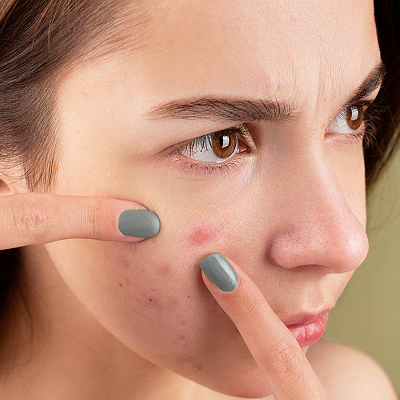
Are you a teen (or a concerned parent) hunting for reliable explanations to questions like: How Effective is Acne Treatment for Teenage Skin? We recognize the challenge of finding a practical and risk-free remedy for adolescent acne. It can be frustrating, to say the least. This is the reason that drove our skin specialists at the Enfield Royal Clinic Abu Dhabi to assemble this quick guide to help you navigate the multitude of accessible solutions as well as pick one that suits your specific skin type or skin condition best.
What is Acne and Why Does It Happen to Teenagers?
Understanding the solutions requires us to have at least some grasp of the problem itself. There are many different kinds of acne, but the general principles of their mechanism are much the same. Hair follicles on the skin get blocked by some kind of debris (often dead skin cells, dust, bacteria, oil, etc.). Bacterial infection causes pimples and other symptoms of acne we’re familiar with. It is more common in teenagers because of the sudden increase in certain hormones (androgens, specifically) that increase the output of the skin’s oil-producing glands. This excessive oiliness is a trigger for most acne breakouts.
Table of Content
How Effective Is Acne Treatment for Teenage Skin?
The most practical way to treat and prevent acne in adults is through medication; this stands true for teens, too. There is a lot of variation in these Acne treatments, which allows us to tweak the regimen to better align it with the patient’s skin type and the severity of their problem.
First-Line Treatments:
Typically used for mild or moderate symptoms of acne, these are normally over-the-counter medications such as Retinoids, Benzoyl Peroxide, Salicylic Acid, etc. These medicines reduce inflammation, kill bacteria, and manage the natural level of the skin’s sebum. They work best for teenagers when used consistently, according to the instructions of a professional dermatologist.
Advanced Treatments:
These come into play in case the first-line solutions fail. Advanced treatments normally recommended for teenagers include Isotretinoin, Anti-androgens, Oral Antibiotics, Hormone Therapy, etc. These treatments have a higher chance of side effects if used without expert supervision and guidance, so don’t use them without consulting your doctor.
Other Promising Alternatives:
- Chemical peels: Salicylic or glycolic acid peels could be used to clear out oil, bacteria, and debris from the skin to reduce most of the symptoms of acne.
- Light therapy: Lasers and specific kinds of energy can help us treat some of the milder forms of acne by shrinking the size of pores and minimizing bacteria.
- Comedone extraction: This is a medical treatment that uses a tool for removing each comedone or the clog that blocks pores safely out of the skin.
Get Dependable Teenage Acne Treatments in Abu Dhabi:
Dealing with skin conditions like acne and pimples gets much easier with a little professional guidance and reliable education. At Enfield Royal Clinic Abu Dhabi, our experts are offering that and much more. Fill out the form given below and book your appointment with one of our dermatologists. Send your queries and concerns, like How Effective is Acne Treatment for Teenage Skin? through our helpline or WhatsApp channels to learn more about your skin and body conditions.
FAQ’s:
Is It Safe To Treat Acne In Teenagers?
Most treatments for acne are safe and helpful as long as they’re done under professional supervision and involve gentle, over-the-counter medications only.
Does Acne Go Away On Its Own After Puberty?
Generally, with the passing of puberty in the late teens, the hormone levels of most individuals stabilize naturally. Most types of acne fade because of this change.
Are Anti-Acne Retinoid Treatments Safe To Use For Teenagers?
Skin experts frequently prescribe retinoids to deal with acne. However, using them too much or improperly can have serious side effects and could even damage your skin.
What Are The Most Common Side Effects Of Acne Treatments?
Dryness, redness, itching, and peeling of the skin are some of the potential side effects of this kind of treatment. However, normally, these are quite rare and often temporary.
What Type Of Skin Products Should Teenagers With Acne Avoid?
Teenagers dealing with acne issues should try to avoid skin care products that have harsh, oily, or heavily scented ingredients, as they might aggravate their symptoms.






 Start
Start Chat Now