


Quick Facts:
- Cost: Approx. 500 AED – 3,000 AED +. Variable prices based on peel type and depth.
- Duration:-15- 45 minutes for superficial peels. Up to 90 minutes for stronger peeling.
- Procedure Types: Non-invasive, primarily cosmetic, dermal exfoliation / renewal treatments.
- Success Rates: 80- 95% successful cleansing, brightening, and rejuvenation of the skin.
- Sessions: 4 – 6 initial sessions, with routine maintenance. Varies with type of peeling.
- Downtime: 0 – 3 days for light superficial peels. 2 – 3 weeks for intense peeling procedures.
- Pain Level: 1 – 2 for surface peels and 3 – 5 for intense treatments on a 10-point pain scale.
- Effects Lifespan: Up to 1- 2 months for light peels. Over 1 year for deeper peels.
Do you want to learn more about minimally invasive medical treatments that can remove environmental impurities and age-related dullness or laxity without damaging the delicate skin tissue? The expert dermatologists of Enfield Royal Clinic provide various types of exfoliating and brightening Chemical Peels in Abu Dhabi at highly accessible rates and with reliable and lasting results. Our practitioners use personalized treatment plans, safe formulations, and tried application techniques to deliver the most effective and suitable solutions for each patient. Starting around AED 500, our chemical peels are favored for their cost-effectiveness and transparent pricing. Continue reading for more useful details on the types, benefits, and cost of our dermal exfoliation and peeling.
Table of Content
What Are Chemical Peels?
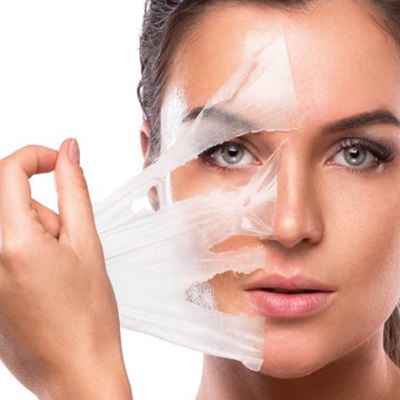
The chemical peeling procedure, alternatively known as dermapeeling or chemexfoliation, is a simple but very helpful skin resurfacing treatment. The mechanism by which these procedures operate relies on specialized acidic solutions (containing active components like salicylic or glycolic acid) that dissolve or weaken the bonds between dermal cells, allowing the upper layers of the skin to peel away and fresh, undamaged tissue to form over time. Normally, the acidic peeling solutions are formulated and applied in such a way that only the uppermost layers of the dermis are affected. However, specialists can use different compositions to adjust the intensity and depth of the exfoliation. We will explain the common variations in the depths and ingredients of these procedures later; for now, we need to discuss why these treatments are required in the first place.
Why Do We Need Chemical Peeling?
Most patients use chemical peels to get rid of surface-level blemishes, impurities, oiliness, or early signs of aging from their exposed skin, particularly from areas like the face, neck, and hands. In addition to such aesthetic needs, chemical peeling procedures are frequently used to treat common skin conditions, a few examples of which we’ve listed below.
- Mild Acne Breakouts.
- Minor Acne Scarring.
- Uneven Skin Tone or Hyperpigmentation.
- Patchiness or Melasma.
- Fine Lines and Wrinkles.
- Sun-Damaged Skin.
Chemical Peels Cost In Abu Dhabi:
Chemical peels cost in Abu Dhabi for standard procedures is usually somewhere in the range of 300 AED -3,000 AED +. However, we should point out that these figures are only rough approximations and often vary by individual based on differences in their goals, preferred types of treatment, latent dermal disorders, or due to additional facility expenses and certain practitioner fees. Here is a helpful and informative comparison of the average costs involved in some of the common types of chemical peeling procedures used to exfoliate and brighten the skin.
| Treatment Types | Estimated Costs |
| Light / Superficial Peels | AED 300 – AED 900+ per session. |
| Medium Peels | AED 700 – AED 1,500+ per session. |
| Deep / Advanced Peels | AED 2,000 – AED 3,000+ per session. |
Who Are The Best Candidates For Chemical Peels?
Specialists studying the varying potency of different procedures have found that certain kinds of patients are more likely to benefit from dermal procedures than others. The experts distinguish the compatible types of individuals through an exhaustive process of assessments, trials, and screenings. The best applicants for chemical peels, according to the professionals, have at least some of the following qualities.
(Please note that these criteria can vary among different practitioners.)
- Visible dark spots, melasma, or sun damage.
- Mild breakouts or clogged pores.
- Excessive oiliness or an acne-prone skin type.
- Shallow acne or surgical scarring.
- Fine lines, wrinkles, or rough dermal texture.
- Precancerous lesions or actinic keratosis.
- Realistic expectations and goals.
Who Should NOT Get Chemical Peel Treatments?
Dermatologists often postpone or even cancel skin treatments, usually when they discover some type of compromising medical problem in their patient that can lead to serious complications or side effects during or after the treatment. We’ve mentioned a few of the common contraindications for chemical peels in the list below.
- Cold sores, or similar infections in the target skin tissue.
- Open wounds or damaged skin in the treatment zone.
- Severe inflammatory skin conditions, such as eczema.
- Recent use of isotretinoin medication, like Accutane.
- A history of keloid or abnormal scar formation.
- Specific allergies to any ingredient used in the peels.
Common Categories Of Chemical Peels By Intensity:
Chemical peeling procedures are often categorized according to their intensity or depth. Intensity and depth, in this context, essentially signify the number of dermal layers a specific peeling solution can successfully exfoliate with a single application. The following subsections explain some types of chemical peel treatments according to their penetration depths.
Superficial / Light Peels:
Superficial, light, or “lunchtime” peels use milder active ingredients (specifically, glycolic, lactic, mandelic, or salicylic acids) and primarily target the outermost, epidermal layer of the skin. Superficial procedures are the most frequently used type of chemical peels. They require minimal to no downtime and help manage the more common concerns of mild discoloration, rough texture, and acne.
Medium Peels:
Medium-intensity peels use slightly stronger exfoliating formulations, such as Trichloroacetic Acid or Jessner’s Solution, to treat both the epidermis and the upper portions of the middle (dermis) layer. This peeling technique is chiefly used to treat moderate wrinkles, age spots, and melasma. Due to their stronger nature, medium peels typically require at least 3- 7 days of downtime.
Deep Peels:
Deep peeling treatments are reserved for advanced circumstances, such as severe sun damage, heavy wrinkles, and intense acne scarring. The key ingredient in these procedures is normally carbolic acid (aka phenol), which can affect the cells as far as the lower dermal layers. The recovery period, during which the skin undergoes intense regeneration, can extend over 3 weeks.
Common Types Of Chemical Peels:
Most chemical peeling procedures use different kinds of active ingredients that typically fall in the categories of alpha- or beta-hydroxy acids and strong protein denaturants. The following sections will explain some types of chemical peels distinguished by their active components and their benefits.
Glycolic Acid:
Typically derived from sugarcane, Glycolic acid is a common type of alpha-hydroxy acid. It is very useful for superficial peeling procedures because of its smaller molecules that can reach the deeper epidermal layers.
Lactic Acid:
Prepared from sour or fermented milk, Lactic acid is a mild AHA. Specialists frequently use this component in specialized peels for dry or sensitive skin types for gentler exfoliation and to restore hydration.
Mandelic Acid:
Extracted from bitter almonds, Mandelic acid is another AHA with distinctive antibacterial and anti-inflammatory properties, making it highly effective as a peeling solution for particularly reactive skin types and minimizing post-peel skin irritation.
Citric Acid:
Another standard AHA, citric acid is usually derived from citrus fruit and serves as a valuable antioxidant and exfoliating agent. Citric formulations are typically applied to combat photoaging and to restore the complexion.
Salicylic Acid:
Ordinarily synthesized artificially, Salicylic acid is a lipophilic beta-hydroxy acid. It targets excess oil on the skin surface as well as in the sebaceous follicles, helping clear clogged pores and reduce acne breakouts.
Trichloroacetic Acid:
Trichloroacetic acid formulations are potent denaturants that coagulate skin proteins to reach deeper layers of the dermal tissue. They are normally used in medium and deep chemical peeling procedures for more robust exfoliation.
Carbolic Acid:
Also known as phenol, carbolic acid is a strong hydrocarbon with significant peeling properties. Carbolic formulations are used solely for deep peels, administered under professional supervision, because their misuse can cause serious damage.
Blended Solutions:
A combination of these key ingredients, sometimes with additional useful elements, can be used to create personalized peeling solutions for specific skin types or treatment goals. Jessner’s solution, used in superficial and medium peels, for instance, is one of these formulations with its mix of salicylic acid, lactic acid, and resorcinol.
Key Stages In The Chemical Peeling Procedure:
Chemical peeling procedures can be somewhat difficult to limit to a simple step-by-step process, because they are often significantly personalized and vary widely for each patient. However, we can look at a rough structure of the most vital processes involved in these treatments and their purpose.
Dermal Tissue Evaluation:
A specialist consults the patient regarding their goals and expectations for the peeling treatments, and examines the target areas to determine the skin type, natural tone, and the cause of their concerns. Utilizing the information gathered from this consultation and assessment, the practitioner selects a suitable type or depth of the peels.
Cleansing & Preparation:
On the day of the treatment, the specialist performs a rudimentary checkup to ensure the patient is eligible for the peeling process. Once the assessment is completed, they cleanse the target areas of oil, makeup, and other impurities. Sometimes, the experts also apply anesthetics to numb the target areas, particularly before deep peeling.
Peeling Formula Application:
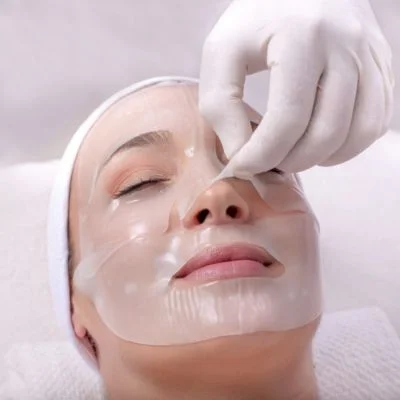
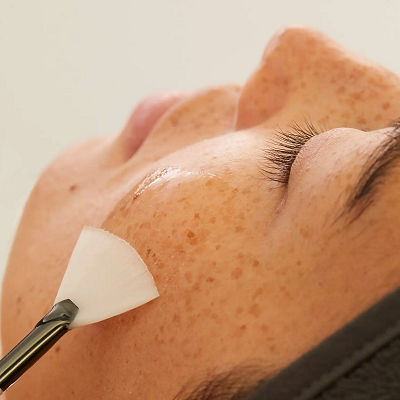
The provider applies a specialized acidic solution, tailored to the patient’s skin type and needs, to the target dermal tissue with the help of a soft brush or a piece of gauze. The patient may feel some tingling, warmth, or stinging sensations as the acid slowly penetrates and dissolves the skin cells.
Acidic Solution Removal:
The solution remains on the skin for a set period of time, which is usually shorter for deep peels and slightly longer for light ones. At the specified time, the expert either applies a special neutralizing chemical mixture to disable the acidic components or simply rinses the peeling solution off with water.
Immediate Post-Peel Care:
The treated skin is normally irritated, red, or tender in the early hours after these exfoliation procedures, particularly in medium or deep peels. Experts alleviate such early side effects with cool compresses, soothing serums, and similar methods. The patient might remain under supervision for a short time, especially after deep chemical peels.
Important Aftercare Instructions For Dermal Peel Treatments:
Specialists supply extensive guidelines and directions for their patients after chemical peel treatments to help them handle early side effects and reduce the risk of complications. Depending on the type or depth of the peeling procedure an individual receives, these instructions might vary, as shown below.
Light Peels:
- Special care and caution are needed in the first 24 hours.
- Apply hydrating creams to maintain healthy moisture.
- Protect your skin from sun damage with a broad-spectrum sunscreen.
Medium Peels:
- Special care and caution are required in the first 2- 3 days.
- Keep the skin properly moisturized to prevent cracking.
- Avoid sweat-inducing activities, intense workouts, and hot showers.
Deep Peels:
- Special care and caution are required in the first 14 – 21 days.
- Sleep with your head elevated to reduce swelling.
- Strictly follow the instructions provided by your specialist.
Results Timeline For Chemical Peeling Procedures:
Here is a comparison of the general result timelines for the different types of chemical peeling.
| Depth | Recovery | Initial Results |
| Superficial | Days 1 – 7 | 2 – 3 Weeks |
| Medium | Days 1 – 14 | 3 – 4 Weeks |
| Deep | Days 1 – 21+ | 1 – 2 Months |
The Benefits Of Chemical Peels:
Here are some of the key benefits of chemical peeling procedures.
- Remove dead skin cells and impurities to improve texture.
- Fade hyperpigmentation, sun damage, and melasma.
- Balance out the skin tone by exfoliating pigmented cells.
- Increase collagen and elastin production to reduce wrinkles.
- Reduce oiliness and clear out pores to alleviate acne issues.
- Diminish surface-level acne scars and restore skin elasticity.
- Remove surface obstructions to improve serum absorption.
Before And After Effects Of Chemical Peel:
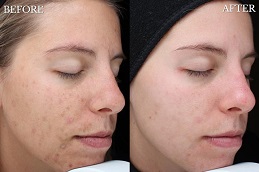
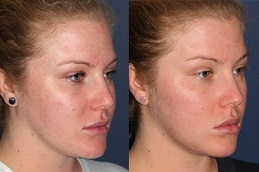
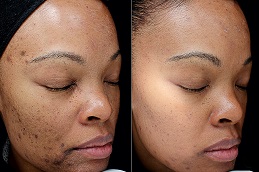
The images provided below show the before-and-after skin conditions in a few of our patients who received our chemical peels.
Some Dos And Don’ts For Chemical Peeling:
Skin experts generally advise patients to follow some important rules or guidelines before and after their peeling treatments to minimize the risk of problems and boost the benefits (we’ve explained a few of the aftercare guidelines earlier). Here are a few additional examples of these suggestions.
Do’s:
- Prioritize wearing sunscreen regularly.
- Keep the treated areas well moisturized.
- Use gentle, fragrance-free cleansers.
Don’ts:
- Avoid picking or scratching the treated skin.
- Refrain from waxing or shaving the area.
- Restrict active ingredients like retinoids.
Number of Peeling Sessions Recommended For Best Results:
The number of chemical peel sessions required to achieve the best results, in a given case, varies based on the depth or strength of the peel and the skin conditions the experts are targeting.
Required Sessions Based On Peel Depth:
- Light Peels:
4 – 8 sessions, each repetition at least 2 – 4 weeks apart.
- Medium Peels:
2 – 4 sessions, with regular gaps of 3 – 6 months between appointments.
- Deep Peels:
Only 1 session due to extreme exfoliation and acidic strength.
Required Sessions Based On Skin Concerns:
- Mild Texture Issues or Dullness:
1 – 3 sessions with superficial peels or 1 – 2 sessions with medium peels.
- Pigmentation and Melasma:
6 – 8 sessions with superficial peels or 4 – 6 with medium peels.
- Fine Lines and Wrinkles:
6 – 8 sessions of superficial peels or 3 – 4 of medium peels.
- Acne Breakouts or Scars:
4 – 6 sessions of superficial peels, 2 – 4 sessions of medium peels, or 1 session of deep peels for advanced cases.
Differences In Chemical Peeling For Women Vs. For Men:
The chemical peeling processes used for women differ significantly from those used for men because of some important physiological differences, specifically the ones related to skin thickness, rate of oil production, and grooming habits. The most important distinguishing features of these procedures are explained in the table below.
| Features | Peels For Women | Peels For Men |
| Skin Thickness | Female skin is thinner, more sensitive, and easily penetrated by the peeling solutions. | Male skin is thicker and has a stronger natural barrier against chemical penetration. |
| Peel Concentration | Lower acidic concentrations and volumes are needed to reach the targeted depth. | Higher concentrations and volumes of acids are required to reach the targeted dermal depth. |
| Number of Sessions | Generally need fewer sessions for desired effects. | Often need more sessions for the optimal results. |
| Primary Concerns | Chemical peels for females typically target melasma, fine lines, texture issues, and hormonal acne. | Chemical peels for men generally focus on deep acne scarring, sun damage, large pores, and razor bumps. |
| Oil Production | Women normally have less active sebaceous glands, and therefore lower skin oiliness. | Men have a high concentration of oil on their skin due to active sebaceous glands. |
| Shaving | Generally not an issue for women. | Men must stop shaving the peeled areas until it heals completely. |
| Pre-Peel Preparations | A standard pre-treatment preparation phase. | A longer pre-peeling preparation phase is required. |
Why Choose Us?
At Enfield Royal Clinic, our qualified dermatologists and estheticians are renowned for their safe, strategic, and effective dermal treatments. Thousands of patients trust us to provide reliable solutions for their aesthetic and medical concerns. Here are a few of the reasons behind the loyalty and confidence these patients have in our services.
- 10+ years of excellence in skin care, exfoliation, and restoration treatments.
- Over 1500 completed chemical peel treatments with favorable dermal effects.
- Highly tailored chemical peeling techniques for specific needs and goals.
- Qualified and trained skin specialists, with 15+ years of experience.
- Strong commitment to the safety, comfort, and privacy of patients.
- Clear, reasonable prices for all rejuvenative chemical peeling procedures.
- A dedicated team of dermatologists, nurses, and friendly support staff.
Restore And Rejuvenate Your Skin With Our Non-Invasive Treatments!
You can find the best solutions for your aesthetic, intimate, or any specific medical issues with our dedicated team of professionals (which includes experts like Dr. Lara Raed, with over 10 years of experience in dermatology and skin care), who offer potent and dependable solutions, such as our in-office comprehensive procedures for Chemical Peels in Abu Dhabi. Fill in the form below and schedule your appointment with one of our skilled dermatologists today. You can also contact us on our helpline or through WhatsApp to get reliable information and the professional support you need.
FAQ’s:
How Painful Is A Standard Chemical Peel Procedure?
Standard or light chemical peels are typically gentle on the skin, with most patients reporting only mild warmth or tingling sensations after their treatment. Stronger peeling procedures, however, can be significantly unpleasant, even painful on rare occasions, and require strong topical anesthetics.
What Is The Recovery Phase Or Downtime For Chemical Peels?
Recovery after peeling procedures usually only involves some basic aftercare and a few mild restrictions, usually in the first 1 - 7 days after superficial peels, 7 - 14 days for medium peels, and 14 - 21 days of downtime for intense procedures.
When Should You Expect Visible Results After Chemical Peeling?
The initial results of most chemical peels are normally noticeable within 1- 3 weeks after the first session of the procedure. The results of light peels are usually visible in 3 - 7 days, while deep peels might take 2- 3 weeks.
Is It Safe To Wash The Treated Areas After Dermal Peeling Treatments?
Yes, patients can wash and clean their skin after a chemical peeling treatment. However, they must follow the instructions of their specialist while doing so. It is generally advised to wait at least 12- 24 hours after peeling.
How Many Sessions Of Chemical Peels Are Required For Best Results?
Generally, patients need anywhere between 4 - 6 repetitions of the chemical peeling treatment. However, the exact number of peeling sessions required for the best results in skin rejuvenation and exfoliation depends on the intensity or depth of the procedure.
Can You Combine Chemical Peels With Other Dermal Procedures?
Yes. In fact, specialists often pair chemical peels with effective skin care and treatments like Botox, dermal fillers, microneedling, and laser therapies to deal with specific skin conditions and to produce more robust and lasting improvements in the patient’s skin tissue.
Are Chemical Peel Procedures Effective For All Skin Types?
Specialists don’t consider chemical peel treatments to be equally effective or safe for all types of skin. Dark skin tones are especially vulnerable and need specialized chemical solutions, prepared by a professional practitioner, that are suitable and compatible with concentrated pigment.
What Is The Duration Of A Typical Chemical Peeling Procedure?
On average, a superficial dermapeeling appointment can be as long as 30- 60 minutes. More advanced and deeper exfoliation, however, can sometimes take up to 90 minutes. This usually includes at least 5- 10 minutes for preparation and anesthesia application.
Are There Any Side Effects Associated With Chemical Peels?
Like all medical and cosmetic procedures, chemical peels also carry some risks and potential for side effects, though complications are rare and often temporary. Common issues typically include minor redness, swelling, dryness, peeling, stinging, or burning, and rarely, infections or scarring.









 Start
 Chat Now

